Choosing Hay for Livestock: How to Select the Right Forage
Selecting the right hay is one of the most important decisions when creating a successful livestock feeding program. Whether you are feeding cattle, horses, or other animals, the quality and type of forage you provide directly impacts animal health, nutrition, and overall performance.
Not all hay is the same. Different animals have different nutritional requirements, and choosing the right hay for livestock requires understanding factors like forage quality, animal needs, and feeding goals.
Whether you are purchasing livestock hay for a small operation or managing a larger farm, selecting the right forage can help support healthier animals and more efficient feeding.
Why Choosing the Right Hay Matters
Hay is often one of the primary sources of nutrition for livestock, especially when pasture availability is limited.
Quality hay provides important benefits, including:
- Essential fiber
- Digestible nutrients
- Consistent forage availability
- Support for healthy digestion
- Reliable feed throughout the year
Poor-quality forage can lead to:
- Increased waste
- Lower feed efficiency
- Reduced animal condition
- Additional feed expenses
A good feeding program starts with choosing forage that matches the needs of your animals.
Understanding Different Types of Livestock Hay
The best hay choice depends on the animal, age, activity level, and nutritional requirements.
Common types of hay include:
- Grass hay
- Alfalfa hay
- Feeder hay
- Mixed forage varieties
Each type provides different nutritional characteristics.
Grass hay is commonly used for animals that need a dependable source of fiber without excessive calories.
It is often a good choice for:
- Maintenance horses
- Mature livestock
- Animals with moderate nutritional needs
Quality grass hay can provide consistent livestock forage for many operations.
Alfalfa hay generally provides higher protein and energy levels compared to many grass hays.
It is often selected for animals requiring additional nutrition, including:
- Growing animals
- Active horses
- Dairy operations
- Higher-demand livestock
The right choice depends on your animal’s specific needs.
Feeder hay provides a practical option for livestock operations looking for affordable, dependable forage.
It is commonly used for:
- Cattle herds
- Maintenance feeding
- Larger livestock operations
Choosing feeder hay can help balance nutrition and feed costs.
Choosing Hay for Cattle
Cattle have unique nutritional needs based on their age, purpose, and production goals.
When selecting cattle feed, consider:
- Herd size
- Animal age
- Growth goals
- Weight maintenance needs
- Available pasture
For many cattle operations, dependable forage is the foundation of a successful feeding plan.
Quality hay helps provide:
- Fiber for digestion
- Energy
- Nutrients
- Consistent feed availability
Understanding cattle nutrition helps producers choose forage that supports their specific operation.
Choosing Hay for Horses
Horse owners often have different considerations when selecting horse feed.
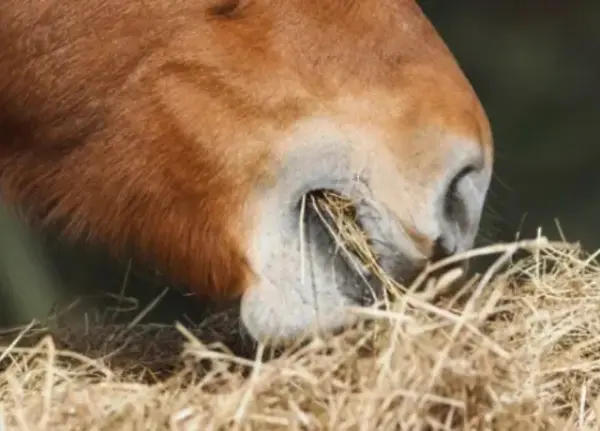
Horses rely heavily on forage, making hay quality especially important.
When choosing hay for horses, look for:
- Clean, fresh-smelling hay
- Low dust
- Good leaf content
- Proper storage
- Consistent quality
A horse’s nutrition needs can vary based on:
- Age
- Activity level
- Body condition
- Health considerations
Proper horse nutrition starts with selecting forage that supports the horse’s individual needs.
What Makes Quality Livestock Hay?
When purchasing hay for livestock, quality should always be a priority.
Important characteristics include:
Color
Good hay often maintains a healthy green appearance, indicating proper harvesting and storage.
Smell
Quality forage should smell fresh and clean.
Avoid hay with:
- Moldy odors
- Musty smells
- Sour scent
Texture
Good hay should have:
- Good leaf retention
- Minimal dust
- Appropriate softness
- Consistent structure
Moisture
Proper moisture management is essential.
Hay that contains too much moisture may experience:
- Mold growth
- Heating
- Reduced quality
Understanding Hay Nutrition
The nutritional value of hay depends on several factors:
- Plant variety
- Harvest timing
- Growing conditions
- Storage methods
- Maturity at cutting
Important parts of hay nutrition include:
- Protein
- Fiber
- Energy
- Minerals
Higher-quality forage generally provides more usable nutrients and can help reduce feed waste.
The Role of Forage in Livestock Feeding
Forage is a critical part of many livestock diets.
Animals naturally consume fibrous plant material, making roughage an important part of digestive health.
Benefits of quality forage include:
- Supports normal digestion
- Provides consistent nutrients
- Helps maintain body condition
- Reduces reliance on additional feeds
A well-planned feeding program uses forage as the foundation while adjusting based on animal requirements.
Building a Livestock Feeding Program
A successful feeding program considers more than just the type of hay purchased.
Important factors include:
Animal Requirements
Different animals require different nutrition levels.
Hay Quality
Higher-quality hay may provide more nutrients per bale.
Feeding Amounts
The amount of hay needed depends on:
- Animal size
- Number of animals
- Activity level
- Seasonal conditions
Storage and Handling
Proper storage protects your investment and helps maintain feed quality.
Buying Livestock Hay in Bulk
Many farms choose to purchase hay in larger quantities to maintain a consistent supply.
Benefits of buying bulk livestock hay include:
- Better supply planning
- Fewer deliveries
- Reliable availability
- Easier seasonal preparation
Before purchasing bulk hay, consider:
- Storage space
- Expected consumption
- Delivery options
- Seasonal demand
Planning ahead helps ensure your livestock always have access to quality forage.
Tips for Selecting the Right Hay
Use these tips when purchasing hay for your operation:
- Match hay type to animal needs.
- Evaluate forage quality.
- Choose a reliable hay supplier.
- Plan purchases before peak demand.
- Store hay properly.
- Monitor animal condition regularly.
- Adjust feeding as needs change.
Frequently Asked Questions
What is the best hay for livestock?
The best hay depends on the type of livestock, nutritional needs, and feeding goals. Grass hay, alfalfa hay, and feeder hay all serve different purposes.
How do I choose hay for cattle?
Choose cattle hay based on herd size, animal age, nutritional requirements, and whether cattle need maintenance or additional energy.
Is hay the main source of nutrition for livestock?
For many animals, hay provides a significant portion of their daily forage intake and supports healthy digestion.
What makes good livestock hay?
Good livestock hay should be clean, properly stored, low in dust, and provide appropriate nutrition for the animals consuming it.
How much hay does livestock need?
The amount depends on animal size, species, activity level, and the nutritional quality of the hay.
Conclusion
Choosing hay for livestock requires understanding your animals, evaluating forage quality, and selecting the right product for your feeding goals. Whether you are feeding cattle, horses, or other animals, quality hay provides the foundation for a successful nutrition program.
From grass hay to alfalfa hay and feeder hay options, the right forage choice can help support healthy animals while improving feeding efficiency.
H3 Farms provides quality hay products for livestock owners looking for dependable forage solutions. Whether you need livestock hay, bulk hay options, or reliable delivery, H3 Farms is here to ensure your animals receive consistent, quality feed.