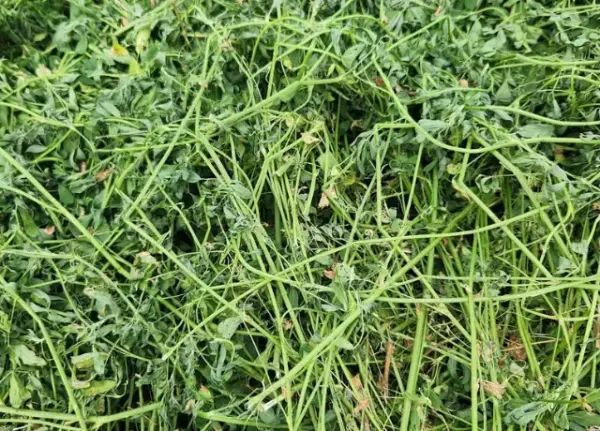
Benefits of Alfalfa Hay: Why Livestock Owners Choose Quality Alfalfa
Choosing the right hay is one of the most important decisions livestock owners make. The forage you provide impacts animal health, nutrition, performance, and overall feeding success. One popular option for many farms and ranches is alfalfa hay, known for its nutritional value, palatability, and higher protein content compared to many grass hays.
Whether you are searching for alfalfa hay for sale, planning a bulk alfalfa hay order, or comparing different forage options, understanding the benefits of alfalfa hay can help you determine if it is the right fit for your animals.
What Is Alfalfa Hay?
Alfalfa hay is a legume forage harvested from the alfalfa plant and dried into bales for livestock feed. Unlike many grass-based forages, alfalfa naturally contains higher levels of protein, minerals, and energy.
Because of its nutritional profile, alfalfa is commonly used for:
- Horses with higher nutritional needs
- Growing livestock
- Dairy operations
- Performance animals
- Animals needing additional calories or protein
High-quality alfalfa is valued for its leafy texture, strong nutrient content, and ability to support animals with greater dietary demands.
1. Alfalfa Hay Provides Higher Protein Content
One of the biggest benefits of alfalfa hay is its higher protein content.
Protein plays an important role in:
- Muscle development
- Growth
- Milk production
- Tissue repair
- Overall animal health
Compared to many grass hays, alfalfa often provides more protein and energy, making it a valuable option for animals that require more nutrient-dense forage.
For operations looking for high protein hay, quality alfalfa can be an excellent choice.
2. Alfalfa Hay Supports Growing and Active Animals
Not every animal has the same nutritional requirements. Animals that are growing, producing, or highly active often need more nutrient-dense feed.
Alfalfa hay can benefit:
- Young livestock
- Lactating animals
- Working horses
- Performance horses
- Breeding animals
The additional nutrition found in quality alfalfa helps support animals that may need more than standard maintenance forage.
3. Benefits of Alfalfa Hay for Horses
Many horse owners choose horse alfalfa because of its nutritional value and palatability.
Potential benefits include:
- Higher protein levels
- Increased calorie availability
- Strong taste acceptance
- Support for active horses
However, choosing the right hay depends on each horse’s age, activity level, and overall feeding program.
For example:
- A performance horse may benefit from more nutrient-dense forage.
- A horse with lower activity levels may require a more moderate feeding approach.
The goal is always matching the hay to the horse’s specific needs.
4. Alfalfa Hay Benefits for Cattle
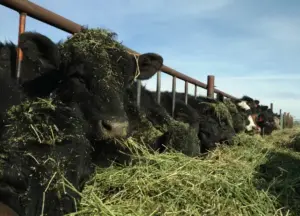
Alfalfa can also be a valuable forage option for cattle operations.
Cattle alfalfa may support:
- Growth
- Weight maintenance
- Milk production
- Improved forage quality
Many dairy operations value alfalfa because of its nutritional characteristics and contribution to a balanced feeding program.
For cattle producers, selecting the right forage depends on herd goals, availability, and overall nutrition planning.
Understanding Alfalfa Hay Nutrition
The nutritional value of alfalfa depends on several factors, including:
- Harvest timing
- Plant maturity
- Growing conditions
- Storage practices
- Leaf retention
Quality alfalfa typically contains valuable nutrients such as:
- Protein
- Fiber
- Minerals
- Energy
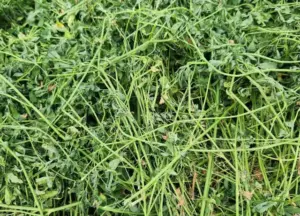
One important factor in evaluating alfalfa is leaf content. The leaves contain a significant portion of the plant’s nutrients, which is why leafy alfalfa is often preferred by buyers looking for premium forage.
What Makes Premium Alfalfa Hay?
Not all alfalfa hay is the same. The quality of the final product depends heavily on how it is grown, harvested, and stored.
Characteristics of premium alfalfa hay often include:
Strong Leaf Retention
Leaves contain many of the nutrients livestock need. Alfalfa with good leaf retention generally provides better nutritional value.
Fresh Appearance
Quality alfalfa should have:
- A bright color
- Clean appearance
- Minimal dust
- Good texture
Proper Moisture Levels
Correct moisture management helps preserve hay quality and reduces the risk of spoilage.
Poor storage conditions can impact:
- Nutrient quality
- Palatability
- Overall feed value
Alfalfa Hay vs Grass Hay
One common question buyers ask is whether alfalfa hay or grass hay is better.
The answer depends on the animal and its nutritional requirements.
Alfalfa Hay
Best suited for animals needing:
- More protein
- More calories
- Higher nutrient density
Grass Hay
Often preferred for animals needing:
- More moderate nutrition
- Higher fiber forage
- Maintenance feeding
Many operations use different types of hay depending on the season, animal needs, and feeding goals.
Buying Alfalfa Hay in Bulk
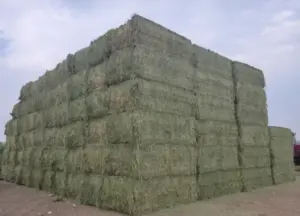
For farms, ranches, and livestock operations, purchasing bulk alfalfa hay can make managing feed supplies easier.
Benefits of buying larger quantities include:
- Consistent hay supply
- Better long-term planning
- Fewer deliveries
- Reduced ordering frequency
Before ordering bulk quantities, consider:
- Storage capacity
- Number of animals
- Seasonal feeding needs
- Delivery availability
Planning ahead helps ensure you have quality forage available when you need it.
Choosing an Alfalfa Hay Supplier
When searching for alfalfa hay for sale, selecting the right supplier matters.
A reliable hay supplier should provide:
- Consistent product quality
- Properly stored hay
- Reliable communication
- Delivery options
Working with an experienced hay farm gives buyers confidence that their forage has been handled properly from harvest through delivery.
Alfalfa Hay Delivery Options
For customers who need dependable access to quality forage, alfalfa hay delivery provides a convenient solution.
Before scheduling delivery:
- Confirm bale sizes and quantities
- Prepare your storage area
- Ensure delivery access
- Plan ahead for seasonal demand
Reliable delivery helps farms maintain a steady supply of feed without unnecessary delays.
Tips for Buying Quality Alfalfa Hay
Before purchasing alfalfa bales, consider these tips:
- Check the color and appearance.
- Look for good leaf retention.
- Avoid dusty or moldy hay.
- Ask about harvesting practices.
- Consider your animals’ nutritional requirements.
- Purchase from a trusted supplier.
- Plan bulk orders ahead of peak demand.
Frequently Asked Questions
What are the benefits of alfalfa hay?
The benefits of alfalfa hay include higher protein content, increased nutritional value, and strong palatability for many horses and livestock.
Is alfalfa hay good for horses?
Yes, alfalfa hay can be a beneficial forage option for many horses, especially those with higher nutritional requirements or increased activity levels.
Is alfalfa hay better than grass hay?
Neither option is always better. Alfalfa provides more protein and energy, while grass hay may be better suited for animals needing moderate nutrition.
Why is leafy alfalfa considered higher quality?
Leafy alfalfa often contains more nutrients because the leaves hold a large portion of the plant’s protein and nutritional value.
Can I buy alfalfa hay in bulk?
Yes. Bulk alfalfa hay purchases can help farms and livestock operations maintain a consistent forage supply.
Conclusion
The benefits of alfalfa hay make it a popular choice for horse owners, cattle producers, dairy operations, and livestock owners looking for a nutrient-rich forage option.
From higher protein content to strong palatability, quality alfalfa can support animals with greater nutritional needs. However, choosing the right hay depends on your animals, feeding goals, and overall operation.
If you are looking for alfalfa hay for sale, H3 Farms provides quality hay products and dependable delivery options. Whether you need premium alfalfa hay, alfalfa bales, or bulk hay delivery, contact our team today and ensure you receive consistent forage for your animals.