When Should You Feed Grass Hay?
Choosing the right hay for your animals is an important part of maintaining a healthy feeding program. For many horses, cattle, and livestock operations, grass hay is a dependable forage option that provides consistent nutrition while supporting healthy digestion.
But when should you feed grass hay instead of other hay varieties?
The answer depends on your animals, their nutritional needs, activity level, and overall feeding goals. Understanding the benefits of grass hay can help you make better decisions when looking for grass hay for sale or planning your annual hay supply.
What Is Grass Hay?
Grass hay is forage made from grasses that are cut, dried, and baled for animal feed. Unlike legume hays such as alfalfa, grass hay typically provides moderate levels of protein and energy while offering a high-fiber feed source.
Common varieties include:
- Orchard grass hay
- Timothy grass hay
- Meadow grass hay
- Mixed grass forage
Because of its balanced nutrition and digestibility, grass hay is commonly used for horses, cattle, and other livestock.
When Should You Feed Grass Hay?
Grass hay is often a good choice when animals need a consistent source of fiber without excessive calories or protein.
Some common situations where grass hay is beneficial include:
1. When Feeding Horses That Need a Balanced Forage
Many horses thrive on horse grass hay because it provides the fiber needed for healthy digestion while helping maintain a proper body condition.
Grass hay is commonly used for:
- Adult horses with normal activity levels
- Horses that maintain weight easily
- Senior horses that need digestible forage
- Horses needing free-choice forage throughout the day
Because horses naturally graze for many hours, a quality grass hay supply can help replicate their natural feeding habits.
When purchasing horse hay, look for:
- Clean, fresh-smelling bales
- Low dust
- Good leaf retention
- Proper moisture levels
- Consistent quality
2. When Livestock Need High-Fiber Feed
Fiber is an important part of many livestock diets. Livestock grass hay can provide the roughage animals need to support normal digestion.
Grass hay is commonly fed to:
- Cattle
- Horses
- Goats
- Other grazing livestock
For operations purchasing bulk grass hay, having a consistent forage supply helps maintain feeding schedules throughout the year.
3. When Animals Do Not Need High-Energy Feed
Not every animal requires the higher nutritional density found in some premium feeds.
Grass hay may be a better fit for animals that:
- Maintain weight easily
- Have lower activity levels
- Need additional fiber
- Require steady daily forage
Understanding your animal’s nutritional requirements is key when choosing between different hay options.
Grass Hay vs. Alfalfa Hay: Which Is Better?
One of the most common questions buyers ask is whether grass hay or alfalfa hay is the better choice.
The answer depends on the animal.
Grass Hay Benefits
Grass hay offers several advantages:
- High fiber content
- Supports healthy digestion
- Often lower in calories than alfalfa
- Suitable for many horses and livestock
- Encourages natural grazing behavior
Alfalfa Hay Benefits
Alfalfa is often higher in:
- Protein
- Calories
- Nutritional density
It may be better suited for animals with higher nutritional demands.
Rather than choosing the “best” hay overall, the goal is selecting the right hay for your animals’ specific needs.
How to Choose Quality Grass Hay
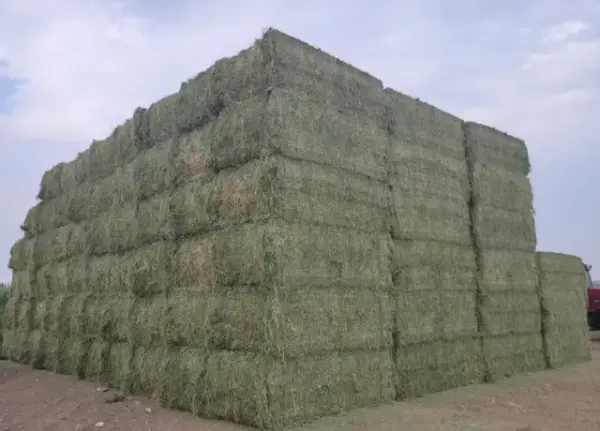
Not all grass hay is the same. When comparing grass hay bales, quality should be one of the biggest factors in your decision.
Look for:
Color
Quality grass hay often has a green appearance, which can indicate proper harvesting and storage.
Smell
Good hay should have a fresh, clean smell.
Avoid hay that smells:
- Moldy
- Musty
- Sour
Texture
Premium grass hay should contain:
- Soft stems
- Plenty of leaves
- Minimal dust
- Consistent texture
Moisture
Proper moisture levels help protect hay quality during storage.
Excess moisture can lead to:
- Mold growth
- Spoilage
- Reduced nutritional value
Understanding Grass Hay Nutrition
The nutritional value of grass hay can vary depending on:
- Grass variety
- Harvest timing
- Growing conditions
- Weather
- Storage practices
Important factors include:
- Fiber content
- Protein levels
- Energy content
- Mineral availability
Quality grass hay nutrition begins in the field. Proper harvesting and storage practices help preserve the value of the forage.
Buying Grass Hay in Bulk
For farms, ranches, and livestock owners, purchasing bulk grass hay can provide several advantages.
Benefits include:
- Reliable hay supply
- Lower cost per bale
- Fewer deliveries
- Better seasonal planning
When purchasing bulk hay, consider:
- How much your animals consume
- Available storage space
- Delivery timing
- Seasonal needs
Planning ahead can help prevent shortages during high-demand periods.
Choosing a Grass Hay Supplier
Finding the right hay supplier is just as important as choosing the right product.
A dependable supplier should provide:
- Consistent hay quality
- Reliable availability
- Clear communication
- Delivery options
Whether you need a few grass hay bales or a larger supply of premium grass hay, working with an experienced hay farm can make the purchasing process easier.
How Grass Hay Delivery Works
For customers purchasing hay outside their local area, grass hay delivery provides a convenient way to maintain a reliable forage supply.
Before scheduling delivery:
- Confirm your order size
- Prepare your storage area
- Ensure delivery access
- Plan for seasonal needs
Reliable delivery helps farms and livestock owners receive the hay they need when they need it.
Quick Tips for Feeding Grass Hay
Before adding grass hay to your feeding program:
- Choose hay based on your animals’ nutritional needs.
- Purchase from a trusted supplier.
- Inspect hay quality before feeding.
- Store hay properly.
- Monitor animal condition regularly.
- Maintain a consistent feeding routine.
Frequently Asked Questions
Is grass hay good for horses?
Yes. Quality grass hay is a popular choice for many horses because it provides the fiber needed for healthy digestion and can help maintain proper body condition.
Is grass hay good for cattle?
Yes. Cattle can benefit from grass hay as part of a balanced feeding program, especially when consistent forage is needed.
What is the best type of grass hay?
The best type depends on your animals and their nutritional needs. Orchard grass hay and timothy grass hay are both popular options.
How do I know if grass hay is good quality?
Quality grass hay should be clean, fresh-smelling, low in dust, and properly harvested and stored.
Can I buy grass hay in bulk?
Yes. Many farms and livestock operations purchase bulk grass hay to maintain a consistent supply and reduce delivery frequency.
Conclusion
Grass hay is a versatile forage option that works well for many horses and livestock operations. Whether you are feeding horses, cattle, or other animals, choosing quality grass hay can support healthy digestion, consistent nutrition, and better feeding results.
When searching for grass hay for sale, focus on more than just price. Quality, consistency, harvesting practices, and reliable delivery all play an important role in finding the right hay for your animals.
H3 Farms provides quality hay products and dependable delivery options for customers looking for premium forage solutions. Whether you need horse grass hay, cattle grass hay, or bulk grass hay Contact H3 Farms to ensure your animals receive dependable nutrition throughout the year.