Choosing the Right Material for Your Project
Whether you’re feeding horses, cattle, goats, or other livestock, the quality of your hay plays a major role in animal health, performance, and overall feed efficiency. While it may be tempting to focus on finding the lowest hay prices, poor-quality hay often leads to increased waste, lower nutritional value, and additional feed costs over time.
If you’re looking for hay for sale, understanding what separates premium hay from lower-quality bales can help you make a smarter investment for your operation.
Why Hay Quality Matters
Hay is often one of the primary sources of nutrition for livestock, especially during seasons when fresh pasture is limited. High-quality hay provides essential nutrients, supports healthy digestion, and helps animals maintain proper body condition.
Poor-quality hay, on the other hand, can contribute to:
- Reduced nutritional intake
- Increased feed waste
- Lower weight gain
- Poor animal performance
- Greater need for supplemental feed
- Mold or dust-related health concerns
Choosing quality hay isn’t just about appearance—it’s about maximizing the value of every bale you purchase.
Characteristics of Quality Hay
When evaluating hay bales for sale, there are several factors to inspect before making a purchase.
Bright Green Color
Color is often one of the first indicators of freshness. While color alone doesn’t determine nutritional value, bright green hay generally suggests it was harvested and stored properly.
Hay that appears excessively brown, black, or faded may have been weather damaged or improperly stored.
Pleasant, Fresh Smell
Quality hay should have a clean, fresh aroma.
Avoid hay that smells:
- Musty
- Moldy
- Sour
- Burnt
These odors may indicate moisture problems during harvesting or storage.
Fine Stems and Soft Texture
Livestock typically consume softer hay more readily than coarse, stemmy hay.
Premium hay often contains:
- Leafy material
- Fine stems
- Uniform texture
Leaf retention is especially important because many nutrients are concentrated in the leaves.
Minimal Dust
Dusty hay can reduce palatability and may contribute to respiratory irritation, particularly for horses.
Good hay should produce very little dust when handled.
Understanding Hay Moisture
One of the biggest factors affecting hay quality is hay moisture.
Hay baled with excessive moisture may develop:
- Mold
- Heating
- Spoilage
- Reduced nutritional value
Proper moisture levels help preserve hay while reducing storage losses.
Professional hay producers carefully monitor moisture throughout the harvesting process to produce safe, consistent bales.
Hay Nutrition Makes a Difference
The nutritional value of hay varies depending on several factors, including:
- Grass or alfalfa variety
- Harvest timing
- Weather conditions
- Storage practices
- Leaf retention
Higher-quality hay generally contains greater levels of:
- Digestible energy
- Protein
- Vitamins
- Minerals
Better hay nutrition means livestock receive more nutrients from every feeding, reducing the need for additional supplements in many situations.
Hay Quality for Horses
Horse hay often requires higher standards than hay intended for some other livestock.
Horse owners should look for hay that is:
- Leafy
- Clean
- Free of mold
- Low in dust
- Consistent in texture
- Properly stored
Because horses have sensitive digestive systems, consistent quality is especially important.
When purchasing horse hay, working with an experienced hay supplier helps ensure dependable quality throughout the year.
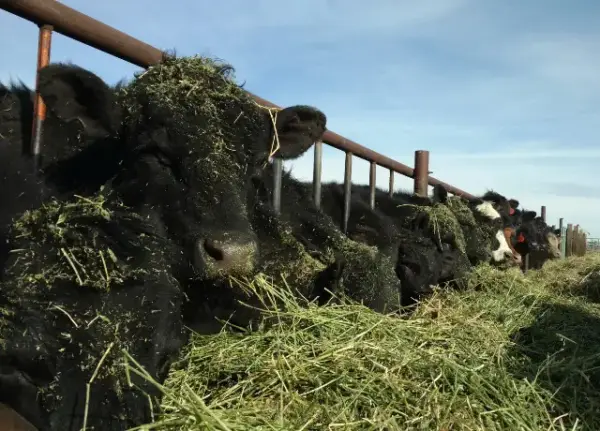
Hay Quality for Cattle
While cattle hay requirements may differ depending on the herd and production goals, forage quality still plays a major role in animal performance.
Higher-quality hay can support:
- Better weight maintenance
- Improved feed efficiency
- Reduced waste
- Healthier cattle
Different classes of cattle may require different forage quality, making it important to select hay appropriate for your operation.
Hay Grading Helps Buyers Compare Quality
Many buyers hear the term hay grading but aren’t sure what it means.
Hay grading generally evaluates factors such as:
- Leaf content
- Color
- Foreign material
- Maturity
- Moisture condition
Although grading systems can vary, understanding these characteristics helps buyers compare different hay options more effectively.
Rather than purchasing solely based on price, evaluating overall quality often provides greater long-term value.
Buying Hay in Bulk
For farms, ranches, boarding facilities, and livestock operations, purchasing bulk hay offers several advantages.
Benefits include:
- More consistent inventory
- Reduced cost per bale
- Fewer deliveries
- Better seasonal planning
Working with a trusted hay farm also helps maintain consistency from one order to the next.
If you’re planning to buy hay in larger quantities, discuss delivery schedules, storage space, and expected seasonal needs before placing your order.
Choosing the Right Hay Supplier
Not every hay supplier produces hay the same way.
When selecting a supplier, consider:
- Product consistency
- Harvesting practices
- Storage methods
- Delivery options
- Product availability
- Experience
Reliable suppliers make it easier to plan feed inventories while reducing uncertainty throughout the year.
Hay Delivery Makes Ordering Easier
Today’s operations often rely on dependable hay delivery services.
Whether you’re ordering several bundles or scheduling bulk hay delivery, planning ahead helps ensure you have adequate feed when demand increases.
Before delivery:
- Prepare a dry storage area.
- Confirm delivery access.
- Estimate seasonal feed requirements.
- Inspect your shipment upon arrival.
Reliable delivery helps reduce downtime and keeps your feeding program on schedule.
Is Premium Hay Worth the Cost?
At first glance, premium hay may appear more expensive than lower-grade alternatives.
However, better-quality hay often provides greater value because it can lead to:
- Less feed waste
- Better livestock performance
- Improved nutrition
- Fewer rejected bales
- More consistent feeding
Looking beyond hay prices and considering overall quality often results in lower feeding costs over time.
Tips for Buying Quality Hay
Before purchasing hay for sale, keep these best practices in mind:
- Inspect color and leaf retention.
- Check for mold or unpleasant odors.
- Avoid excessive dust.
- Ask about harvesting practices.
- Verify proper storage.
- Buy from a reputable supplier.
- Order early during high-demand seasons.
- Consider bulk purchasing for long-term savings.
Conclusion
The quality of your hay directly impacts the health, nutrition, and performance of your livestock. Whether you’re purchasing horse hay, cattle hay, or planning a bulk hay order, choosing high-quality forage helps reduce waste and supports healthier animals.
At H3 Farms, we take pride in producing premium hay with consistent quality and dependable delivery options. Whether you’re looking to buy hay for a small operation or need bulk hay delivery for a larger farm or ranch, we’re committed to helping you find the right hay for your needs.
Ready to order quality hay? Contact H3 Farms to learn more about our available hay products and delivery options.
Frequently Asked Questions
How can you tell if hay is good quality?
Quality hay is typically green, leafy, free of mold, low in dust, and has a fresh smell. Proper storage and harvesting also help preserve nutritional value.
Does hay quality affect livestock health?
Yes. High-quality hay supports better nutrition, digestion, body condition, and overall animal performance while reducing feed waste.
Is premium hay worth buying?
Premium hay often provides better nutritional value and less waste, making it a worthwhile investment for many livestock owners.
What should I look for when buying hay?
Inspect the color, smell, moisture condition, leaf retention, dust level, and storage practices before purchasing hay.
Does bulk hay save money?
Buying bulk hay can reduce the cost per bale, improve inventory management, and minimize delivery frequency for larger operations.